24/7 Phone Services
- Mon - Sat 8:00 - 17:30, Sunday - CLOSED
- Email: info@sohaibsteel.com.pk

-
-
Visit Our Place
Bhubtain Chowk Raiwind Road Lahore
Preloader Close
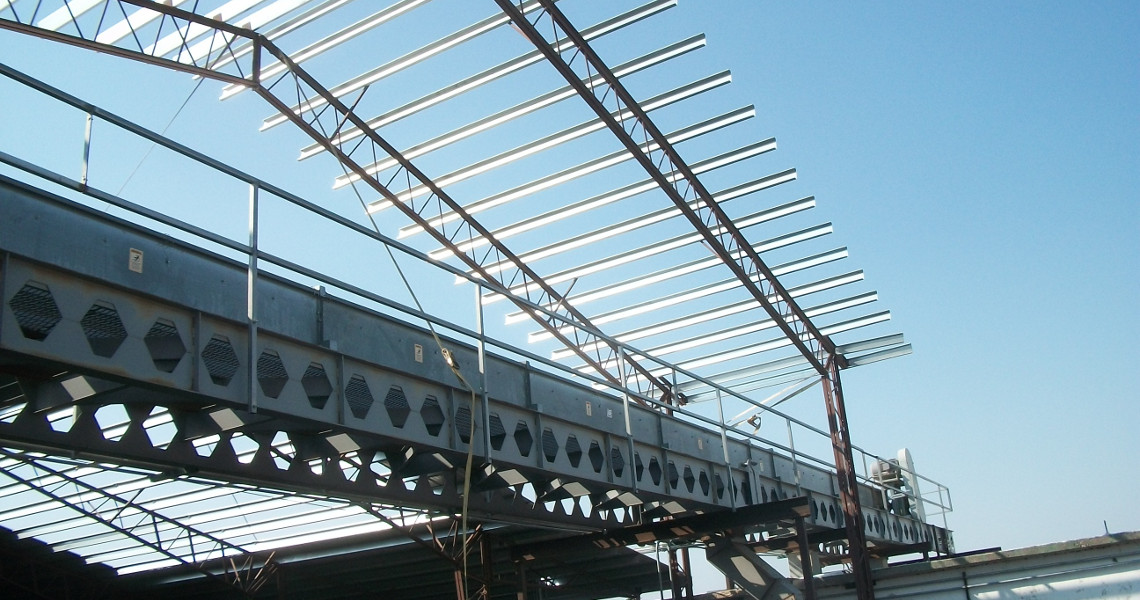
Steel prices are back in the headlines. Unfortunately, it’s not for the reasons most builders and homeowners were hoping. In June 2025, the Trump Administration announced a sweeping increase in steel and aluminum tariffs, raising import taxes by up to 50%. This latest development in U.S. trade is making waves across the construction industry, from commercial developers to residential DIY builders.
If you’re planning a build in the next 12–24 months, understanding the impact of higher tariffs is crucial. From the rising cost of steel buildings to shifting supply chains, these economic changes can have a direct effect on your project timeline and budget. The good news? Working with an American manufacturer like Worldwide Steel Buildings helps you sidestep many of these disruptions, offering stability, transparency, and long-term value in uncertain times.
What Are the Steel Tariffs in 2025?
To start, let’s clarify what these tariffs are. A tariff is essentially a tax placed on imported goods. Governments use them to protect local industries by making foreign products more expensive and less competitive. In the case of steel and aluminum, tariffs aim to boost domestic production, encourage job growth, and reduce dependency on imports of steel and aluminum from foreign suppliers that may undercut U.S. industries.
Following a recent policy update in mid-2025, the White House announced a 50% tariff increase on a broad range of steel products and aluminum imports. President Trump implemented these new tariffs under an expansion of Section 232. They are justified on the grounds of national security, protecting the American steel and aluminum industries from dumping practices and market manipulation abroad.
So what does this include?
- Raw steel beams
- Pre-fabricated metal components
- Finished steel framing
- Various aluminum production inputs
These higher tariffs apply to U.S. imports from international trade partners, including some countries that were previously given exemptions. The goal is to encourage U.S. buyers to source their steel and aluminum needs from domestic production. However, this trade policy has ripple effects, creating unintended consequences on domestic builders, contractors, manufacturers, and individual buyers who are part of a globally connected economy.
Those most affected include:
- Foreign producers now facing steep U.S. barriers
- Importers and distributors that rely on overseas materials
- Manufacturers that utilize global supply chains are navigating a more restricted global market
- Builders and buyers who absorb the downstream price increases
While these policies aim to benefit American industries, they pose significant challenges for anyone involved in new construction, especially when attempting to predict budgets and material availability.
Leave A Comment